
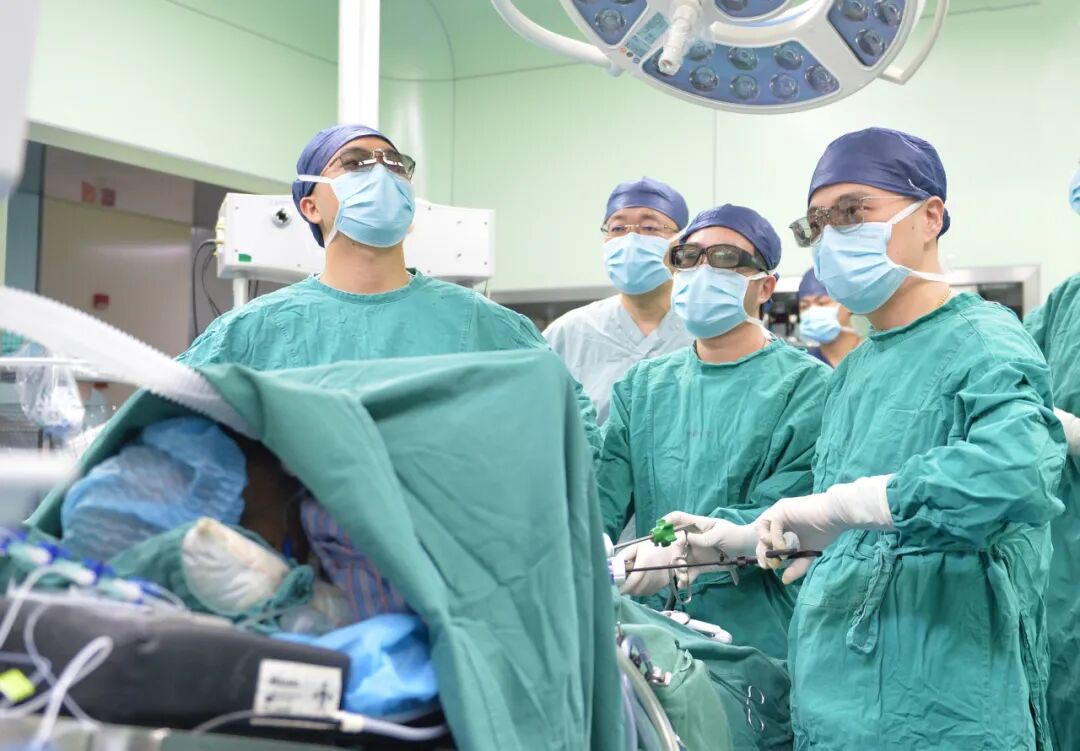
Expert Pancreatic Cancer Surgery in Shanghai
Access world-class hepatobiliary-pancreatic care at Shanghai's leading university hospitals. Performed by surgeons who do 2,000+ of these procedures a year — at a fraction of the cost.
The Data Behind Shanghai's Hepatobiliary-Pancreatic Excellence
Shanghai's top hospitals perform pancreatic and hepatobiliary surgery at volumes that rival or exceed Memorial Sloan Kettering, Johns Hopkins, and the Royal Marsden.
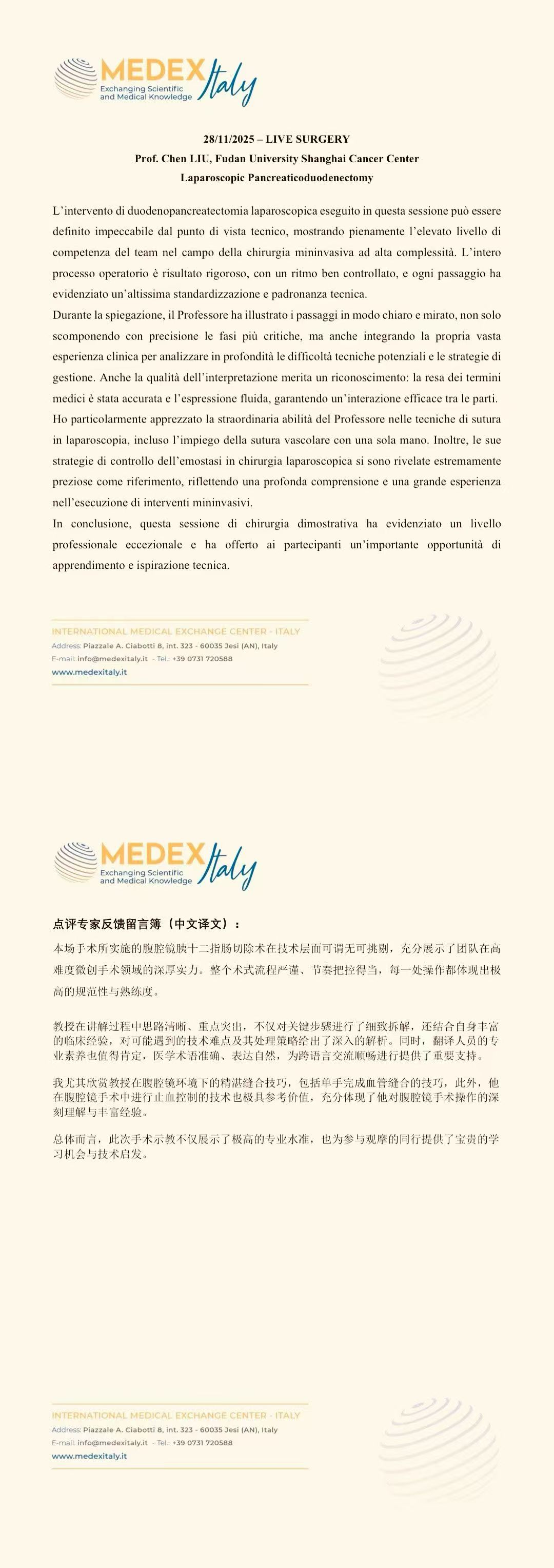
World-Class Surgical Volume
Pancreatic cancer has a 5-year survival rate of just 12%. But for the 20% of patients who are surgical candidates, the choice of where to have surgery is the most important decision they'll make.
The volume-outcome relationship in pancreatic surgery is one of the strongest in all of surgery. Shanghai's Ruijin Hospital performs 2,000+ pancreatic surgeries per year — and Fudan Cancer Center performs 3,000+ complex oncology surgeries. These are numbers many Western surgeons never reach in their entire careers.
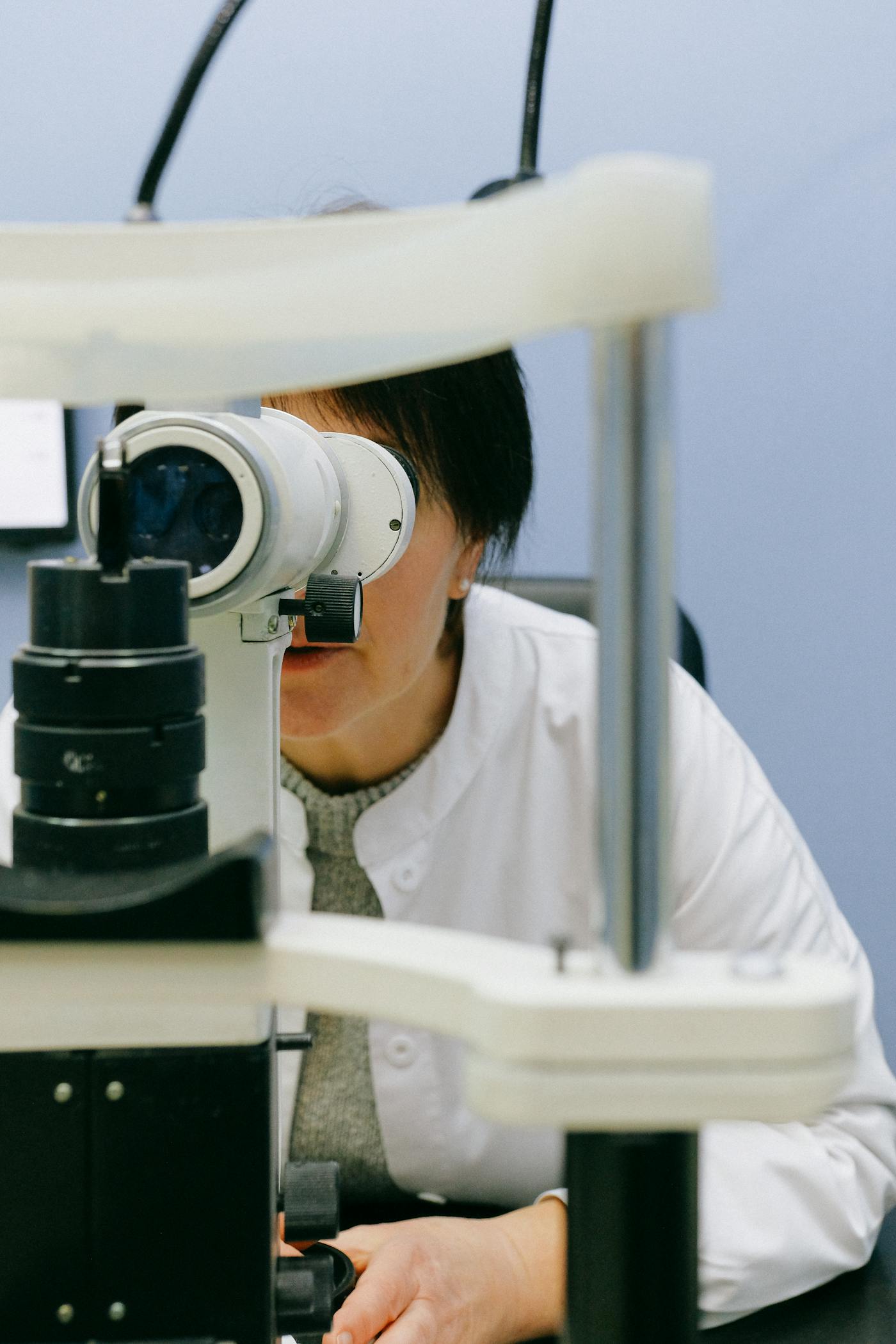
Five Premier Hospitals
Ruijin Hospital
瑞金医院
2,000+ pancreatic surgeries/year. Robotic Whipple pioneer. International patient coordinators.
Fudan University Shanghai Cancer Center
复旦大学附属肿瘤医院
3,000+ complex oncology surgeries/year. 80%+ minimally invasive rate. Clinical trials hub. 72% 5-year survival.
Huashan Hospital
华山医院
Fudan University affiliated. Strong general surgery with pancreatic expertise. International patient ward.
Changhai Hospital
长海医院
Naval Medical University. High-volume hepatobiliary-pancreatic surgery. Military-affiliated with civilian access.
Advanced Surgical Technology
Shanghai's top hospitals are equipped with the same technology found at major Western cancer centers.

Significantly Lower Cost, Same Quality
The same Whipple procedure, performed by surgeons with higher case volumes, for a fraction of the price. Plus, 30-day visa-free entry for 47+ countries.
| USA | UK (NHS) | UK (Private) | Australia | Shanghai | |
|---|---|---|---|---|---|
| Whipple Procedure | $150K–$250K | Free | £30K–£60K | AUD $50K–$100K | $11K–$28K |
| Wait Time | 4–8 weeks | 3–6 months | 2–4 weeks | 4–8 weeks | 2–4 weeks |
| Liver Surgery | $100K–$200K | Free (wait 2–4 mo) | — | — | $8K–$22K |
| Quality | World-class | World-class | Good | Good | World-class |
30-Day Visa-Free Entry
Citizens of the US, UK, Canada, Australia, NZ, and most EU countries can fly to Shanghai — no visa application, no embassy visit. Stay up to 30 days.
See the full cost breakdown →Your Journey to Treatment
From first contact to flying home — a clear, guided process.
Gather Records
CT/MRI images, pathology report, blood work
Remote Consult
Video call with the surgical team. Preliminary opinion & cost estimate.
Book & Fly
30-day visa-free. Coordinator meets you at the airport.
Surgery & Recovery
Pre-op workup in 2 days. Surgery. 2–3 week recovery.
Fly Home
English discharge summary. Remote follow-up with your local oncologist.
In-Depth Resources
Data-driven guides and real patient experiences.
New Zealand Family Thanks Ruijin Hospital Team After Pancreatic Cancer Surgery in Shanghai
A public thank-you letter from a New Zealand-based family highlights the clinical coordination, post-operative support, and trust-building role of Ruijin Hospital's pancreatic surgery team.

A British Chinese Patient Chose Precision Pancreatic Surgery in Nanjing
A 67-year-old British Chinese patient was diagnosed with main-duct IPMN and underwent precision pancreatic surgery with intraoperative pancreatoscopy in Nanjing.
China's Personalized mRNA Vaccine Trial in Resectable Pancreatic Cancer: Why the Sequence Matters
NCT06156267 pairs a personalized tumor vaccine with adebrelimab and chemotherapy in resectable pancreatic cancer. The key signal is the MSK-like treatment sequence — and China's attempt to localize it.

RGL-270 at ASCO 2026: A KRAS G12V mRNA Vaccine for Pancreatic Cancer
A concise read of the RGL-270 ASCO 2026 abstract and why this KRAS G12V mRNA vaccine approach is worth watching in pancreatic cancer.

Pancreatic Cancer Surgery in Shanghai: 3 Powerful Reasons Why Western & Southeast Asian PDAC Patients Are Choosing China
Discover why Shanghai is becoming a top destination for PDAC treatment and pancreatic cancer surgery. Learn about world-leading surgeons, innovative therapies like PAAG, lower costs, and fast access without long waiting times.

Claudin18.2 Targeted Therapies: A Complete Guide to Drugs and Clinical Trials for Gastric and Pancreatic Cancer (2026)
From CT041 CAR-T to Zolbetuximab — a comprehensive look at all Claudin18.2-targeted drugs in development, clinical trial status, efficacy data, and what international patients should know.

Daraxonrasib (RMC-6236): A Breakthrough Pan-RAS Inhibitor for Pancreatic Cancer
Phase 1-2 data shows daraxonrasib achieves 35% ORR and 13.1-month OS in heavily pre-treated RAS-mutant pancreatic cancer — 3-4x better response than chemotherapy. Published in NEJM 2026.

Intraperitoneal Chemotherapy for Pancreatic Cancer Peritoneal Metastasis: CRS+HIPEC, NIPEC, and PIPAC Explained
Three intraperitoneal chemotherapy strategies for pancreatic cancer that has spread to the peritoneum — what they are, survival data, risks, and which patients might benefit.
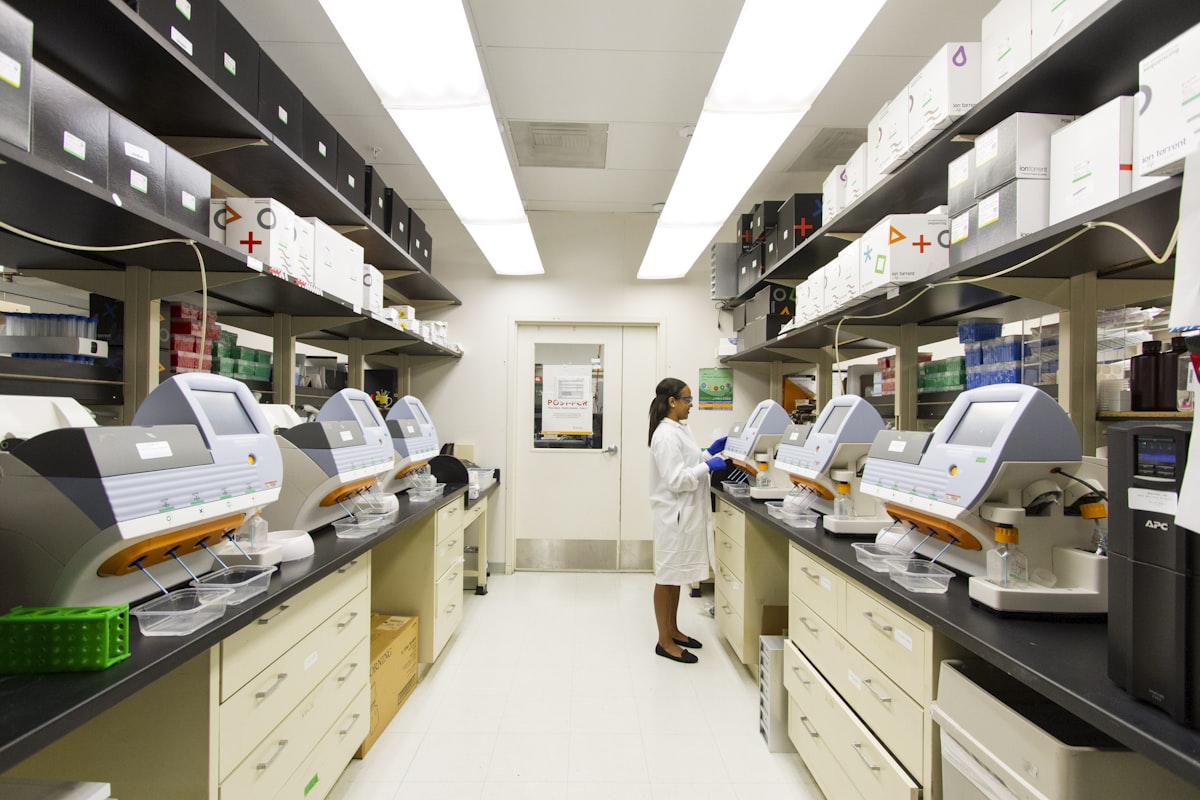
Pancreatic Cancer Immunotherapy: Why It Fails and How China Is Fighting Back (2026)
Immunotherapy for pancreatic cancer faces steep barriers — a 'cold' tumor microenvironment, low mutational burden, and dense stroma. Here's the latest clinical data and emerging strategies from Chinese oncology research.
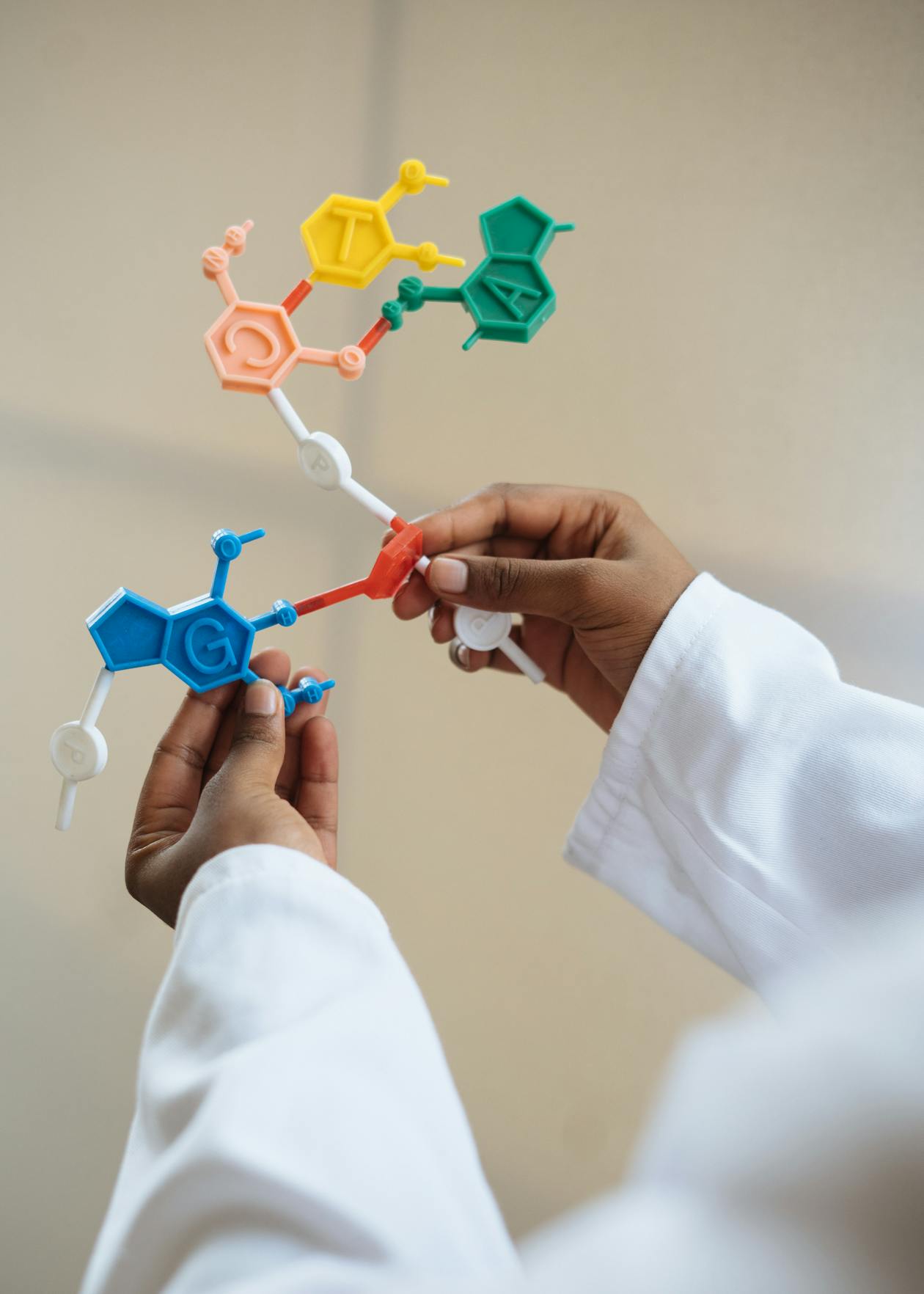
Pancreatic Cancer Peritoneal Metastasis: The Vaccine Landscape in 2026
A comprehensive review of cancer vaccine clinical trials for pancreatic peritoneal metastasis — efficacy data, combination strategies, targeted therapies, and what patients should do today.

Pancreatic Cancer Peritoneal Metastasis: The Vaccine Landscape in 2026
A comprehensive review of clinical trials, efficacy data, and what it means for patients with peritoneal metastasis today.
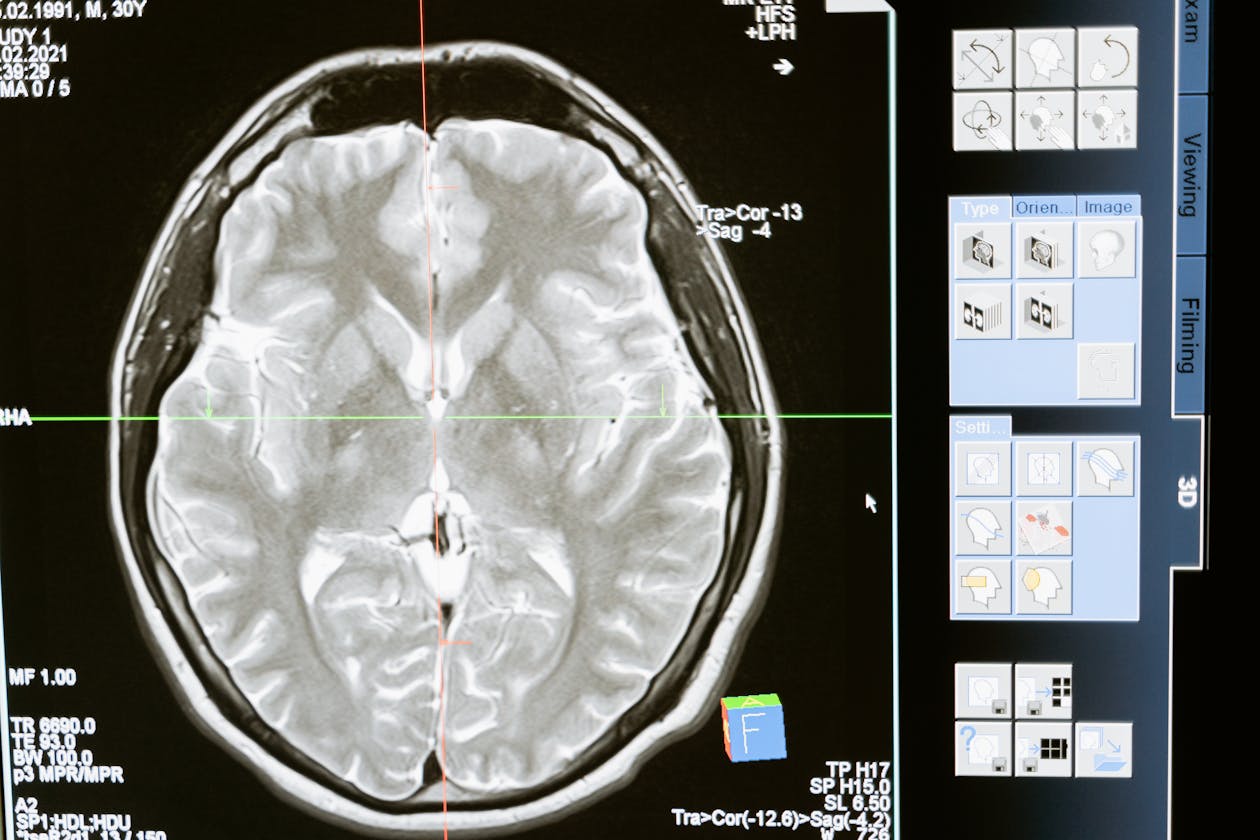
First KRAS G12D Protein Degrader Shows Promise in Pancreatic Cancer — NEJM Phase 1 Data (2026)
Setidegrasib achieves 95.5% KRAS G12D protein degradation in pancreatic cancer. NEJM Phase 1 trial results and what they mean for PDAC patients.

Tumor Treating Fields (TTFields) for Locally Advanced Pancreatic Cancer: A New Clinical Trial in Shanghai
Fudan Zhongshan Hospital is recruiting for a Phase II trial combining TTFields with AG chemotherapy for locally advanced pancreatic cancer — a non-invasive approach now included in NCCN guidelines.
Two Breakthroughs in Pancreatic Cancer: The Toripalimab-AG and PAAG Regimens — Chinese Innovation in Immunotherapy Combinations
A comprehensive comparison of two pioneering Chinese regimens for advanced pancreatic cancer: the 2021 toripalimab-AG triplet (Prof. Cao Dan) and the 2026 ASCO PAAG quadruplet (Prof. Du Juan) — tracing the evolution of immunotherapy combination strategies.

The PAAG Regimen: A Chinese Innovation Redefining First-Line Treatment for Advanced Pancreatic Cancer
A quadruplet regimen combining penpulimab, anlotinib, nab-paclitaxel, and gemcitabine extends median PFS to 7.7 months in metastatic pancreatic cancer — a 71% improvement over standard AG chemotherapy.
US vs. Shanghai: A Cost Comparison for Pancreatic Cancer Surgery
Why some American patients are choosing Shanghai for pancreatic cancer surgery—and the data behind the decision.
Alibaba's DAMO PANDA: First AI Model to Receive FDA 'Breakthrough Device' Status for Pancreatic Cancer Screening
Alibaba DAMO Academy's AI model can detect pancreatic cancer from routine CT scans with 92.9% sensitivity and 99.9% specificity — years before symptoms appear. Now FDA-recognized as a breakthrough medical device.

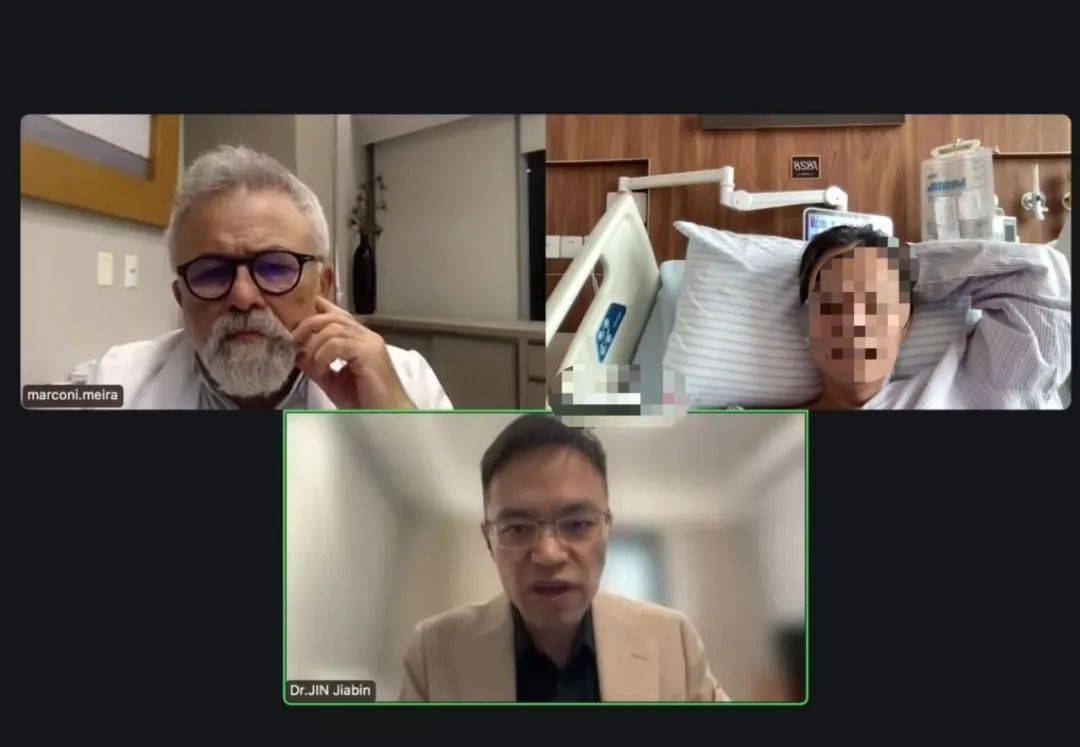
A Brazilian Doctor Told Him: 'Go to Shanghai — That's Where the Best Surgeons Are'
How a Chinese-Brazilian patient flew 20,000 km from São Paulo to Ruijin Hospital for a robotic Whipple procedure — and why his Brazilian surgeon recommended it.
China's Global Leadership in Pancreatic Cancer: A 2024-2026 Deep Dive
From heavy ion therapy to robotic surgery to KRAS inhibitors — how China went from follower to leader in pancreatic cancer treatment. A comprehensive report on breakthroughs, survival rates, and next-generation drugs.

Pancreatic Cancer Therapeutic Vaccines: Evidence Review of 7 Projects (2026)
Deep evidence grading of 7 pancreatic cancer vaccine projects — Neo-P DC, WT1 DC, PCNAT-01, P01, LK101, XH001, RGL-270. What the data actually shows vs. what's marketing.
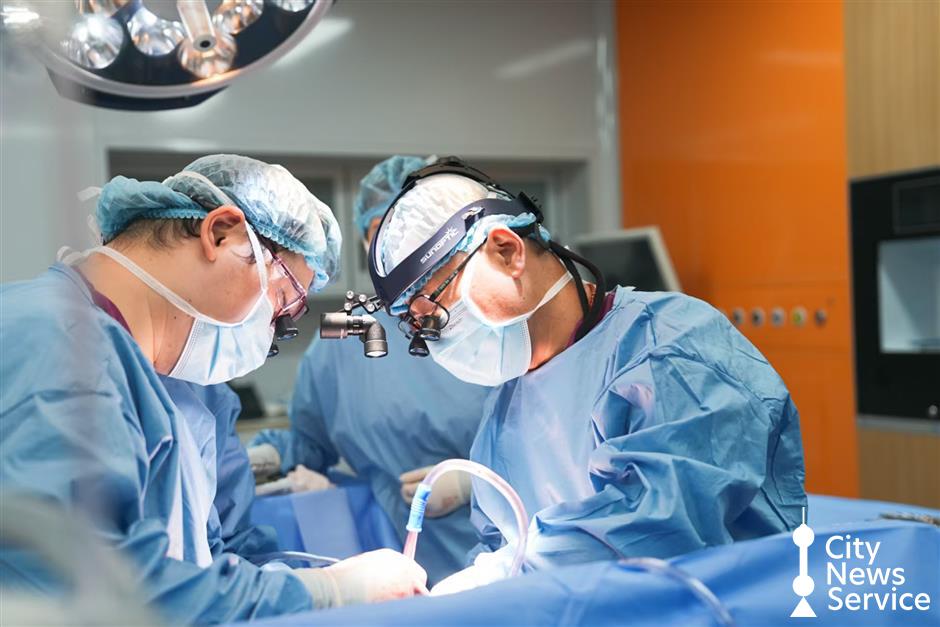
From Follower to Leader: Ruijin Hospital Achieves 21.2% Five-Year Survival in Pancreatic Cancer
How Ruijin Hospital's Pancreatic Disease Center became a global benchmark — 30,000+ cases treated, 21.2% 5-year survival (vs 9-12% global average), 4,000+ robotic surgeries, and China's first voice in the ESMO Asia-Pacific Consensus.
Pancreatic Cancer Surgery in Shanghai: What International Patients Need to Know
A disease-focused guide to hepatobiliary-pancreatic oncology in Shanghai — hospitals, surgeons, techniques, and what the data actually says.
UK Patient Waited 6 Months — Flew to Shanghai, Had Surgery in 2 Weeks
How China's visa-free policy is opening a door for pancreatic cancer patients who can't afford to wait — or to pay.

China's 30-Day Visa-Free Policy Made Pancreatic Cancer Surgery Abroad Feasible
A realistic breakdown of costs, wait times, and logistics for patients considering hepatobiliary-pancreatic surgery in Shanghai.

Clinical Trials Overview: mRNA Cancer Vaccines and Cell Therapies in China (2025)
A comprehensive guide to active clinical trials in China for mRNA vaccines and immune cell therapies targeting solid tumors — including pancreatic cancer, KRAS-mutant cancers, and more. What international patients need to know.